


Packaging plays a far bigger role in the food and drink industry than many people realise. It protects products, preserves quality, communicates brand values, and influences consumer choices — all while having a direct impact on the environment.
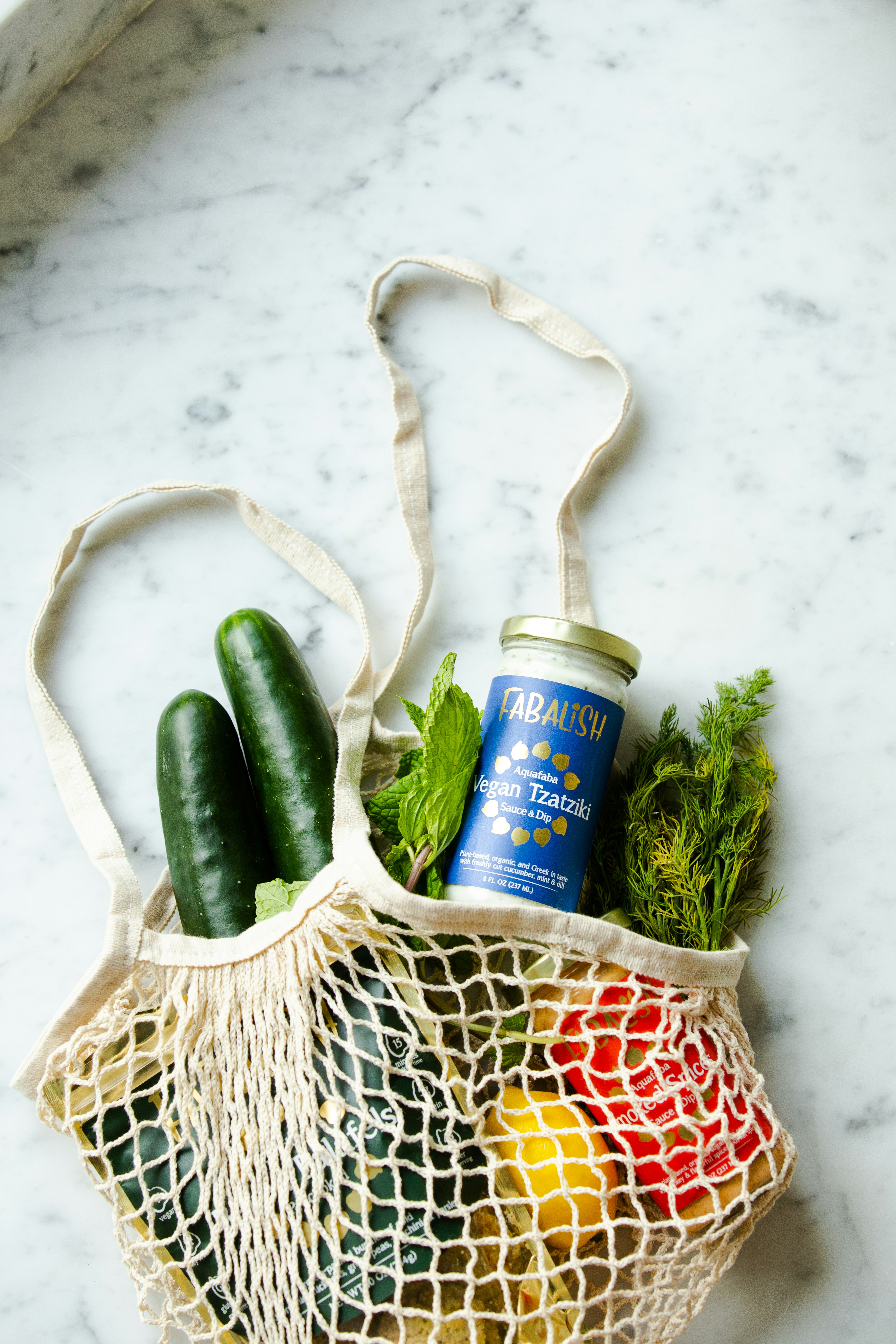
As expectations around sustainability continue to grow, packaging has become one of the most important areas where food and drink businesses can make a real difference.
The Role of Packaging in Food and Drink
At its core, packaging is about protection and safety. It keeps food fresh, prevents contamination, extends shelf life, and ensures products reach consumers in the best possible condition. For businesses, effective packaging reduces waste, supports compliance, and protects reputation.
Packaging is also a powerful brand and communication tool. It tells a story about quality, values, and trust, helping consumers make informed decisions at the point of purchase.
But packaging doesn’t stop at the shelf — what happens after use matters just as much.
The Environmental Impact of Packaging
Packaging waste is one of the most visible environmental challenges globally. The materials we choose, how they are disposed of, and whether they can be reused or recycled all contribute to their environmental footprint.
For food and drink businesses, this creates both a responsibility and an opportunity: to rethink packaging choices in ways that benefit the planet without compromising performance or safety.
Biodegradable Packaging
Biodegradable packaging is designed to break down naturally over time, often using materials derived from plants or other renewable sources.
Pros:
- Can reduce long-term environmental impact when disposed of correctly
- Often made from renewable materials
- Appeals strongly to environmentally conscious consumers
Cons:
- Requires specific conditions to break down properly (such as industrial composting)
- Can be confusing for consumers if disposal instructions are unclear
- May have higher costs or performance limitations for certain food and drink applications
Biodegradable packaging can be a positive step forward, but only when supported by the right infrastructure and clear communication.
Recycling and Recyclable Packaging
Recyclable packaging focuses on keeping materials in use for longer by reprocessing them into new products.
Pros:
- Supports a circular economy by reducing the need for virgin materials
- Well-established recycling streams exist for many materials
- Often provides strong protection and shelf-life performance
Cons:
- Recycling systems vary by region, creating inconsistency
- Contamination can prevent materials from being recycled
- Some materials can only be recycled a limited number of times
Recyclable packaging works best when it is simple, clearly labelled, and aligned with local recycling capabilities.
Finding the Right Balance
There is no one-size-fits-all solution. The most sustainable packaging choice depends on the product, supply chain, shelf life, and end-of-life options available to consumers.
For food and drink businesses, the key is to consider the full lifecycle of packaging — from material sourcing and production to use and disposal — and to make informed choices that balance functionality, cost, and environmental impact.
Packaging as a Driver of Positive Change
When done well, packaging can reduce food waste, lower environmental impact, and strengthen consumer trust. It’s an area where innovation, collaboration, and research can deliver meaningful progress for businesses and the world around us.
As the industry continues to evolve, packaging will remain central to building a more sustainable, responsible future for food and drink.
Members get access to free recordings, we have plenty of resources on packaging to help you to make the right decisions.