

If you want to know how to get a supermarket listing, you first need to understand what retail buyers are actually looking for.
In 2026, UK supermarket buyers are under more pressure than ever to grow categories, protect margins, and reduce risk, which means food and drink brands need more than a good product to win shelf space.
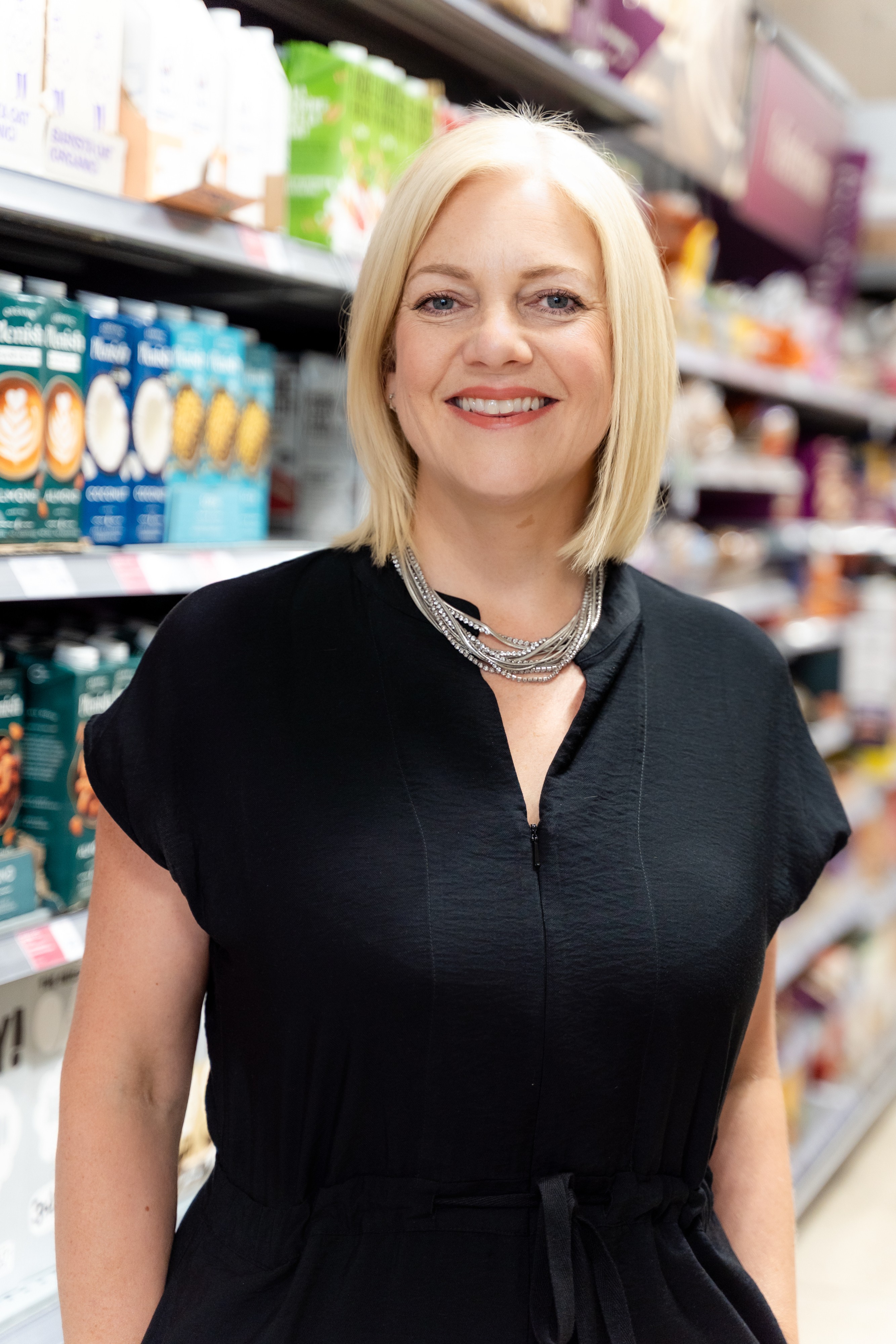
At the Dublin Food Chain Innovation and Food Trends conference, Grocery Impact director Joanna Walker shared insights from more than 25 years of buying experience at Marks & Spencer and Sainsbury’s. Here are the key lessons every food and drink brand should know before pitching to retailers.
Why are supermarket listings so expensive?
Retailers are not short of good products. They are short of space.
Every food and drink brand listing decision is a trade-off. A retail buyer who says yes to you is saying no to someone else. Something has to come out to make room for you.
The question a buyer is really asking is not “Is this interesting?” It’s “Will this grow my category? Will this drive incremental sales and help me hit my targets?”
What do Grocery Buyers look for in new products?
- Solve a clear consumer need
- Have value that’s obvious to the shopper within seconds
- Fill a genuine gap in the category
- Can scale, commercially and profitably
What makes a food product stand out to buyers?
The environment is tough. Retail buyers are under pressure. Ranges are being rationalised, slow-moving SKUs deleted, duplication removed, space allocated to what performs.
Products have to work quickly. Volume matters more than launch buzz for a supermarket listing.
We see this every day working with our clients at Grocery Impact. The brands that succeed are the ones that understand this reality before they walk into a retail buyer meeting.
Food and Drink Trends Shaping Retail in 2026
The next ten years in grocery won’t be defined by volume growth. They’ll be defined by structural change. Here are the shifts every food and drink brand needs to understand, and build strategy around:
1. Health moves to mainstream
Gut health, immunity, weight management and mood are now everyday consumer priorities. GLP-1 medications are already reshaping appetite and consumption, up to 1.5 million people in the UK are using them. Fewer calories consumed means buyers are focused on making fewer grams worth more margin. (Source: The Pharmacist IQVIA data)
2. Demographics are shifting
Smaller households. An ageing population focused on healthspan, not just lifespan. Convenient formats, easy-open packaging and protein-rich options are becoming essential, not nice-to-have.
3. Values and identity matter more than ever
Nearly 50% of consumers say authenticity influences their choices. Provenance commands a premium. Comfort food is back, but shoppers want a premium twist. Affordable indulgence is thriving.
4. Sustainability must be embedded - not premium
95% of consumers say they try to live sustainably, but most won’t pay significantly more for it. Transparency and traceability are non-negotiable. Winners will normalise sustainability rather than use it to inflate price.
5. Convenience has evolved
Convenience is no longer about compromise. Shoppers want premium, healthy and thoughtful. Restaurant-quality ready meals. High-protein pots. Elevated frozen. The bar has risen significantly.
6. Competition is intensifying
Private label is strengthening. Discounters are growing. Branded innovation needs to work harder than ever to justify its place on shelf.
7. Digital discovery is accelerating
More than half of consumers now discover food through social media. Influencers are grabbing our attention. But for retail buyers, the question remains the same: can online buzz translate into sustainable rate of sale and repeat purchase?
How Grocery Impact helps brands win listings
Retailers are not looking for more products. They are looking for solutions that:
- Meet a clear consumer need
- Grow the category
- Protect margin
- Reduce risk
- Repeat consistently
For smaller brands, innovation is your superpower. You are faster, more agile, and closer to your consumer than the large players.
But discipline is what turns innovation into listings. And clarity is what keeps those listings on shelf.
Helping food and drinks brands get this right is what we do at Grocery Impact, every single day. And the success stories prove it.